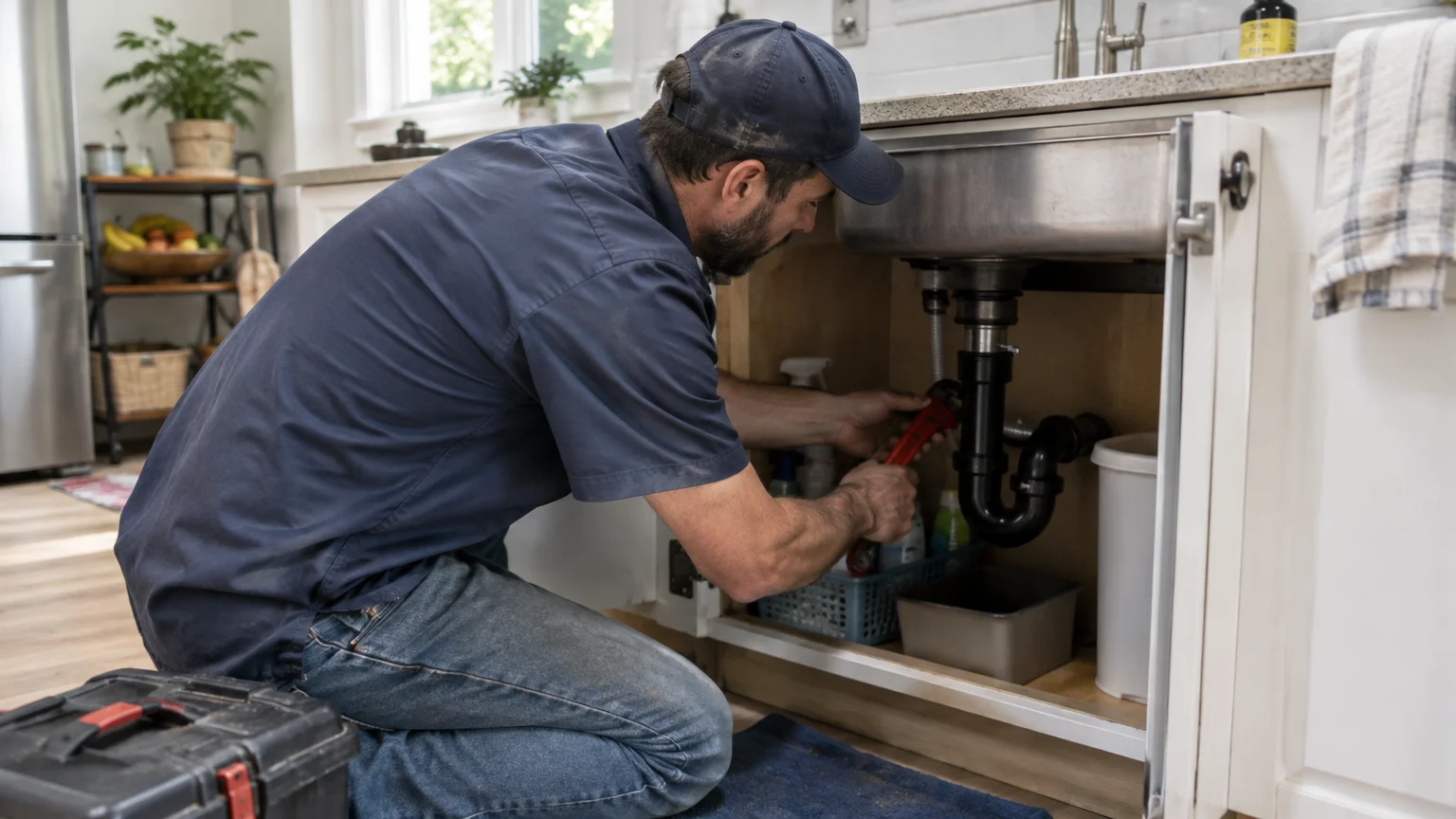
How to prevent drain clogs begins with keeping waste out of your pipes. Use sink strainers, keep grease and food from kitchen drains, remove bathroom hair, and clean stoppers often. These easy habits help Westlake Village homeowners avoid backups and keep water moving through household drains.
What causes household drain clogs?
Household clogs form when waste sticks to the inside of a pipe. Water then moves more slowly. Over time, hair, grease, food, soap, and dirt collect in the same spot. A small clog can grow into a full backup.
A drain clog is a blockage that stops wastewater from moving through a pipe. Some clogs sit near the drain opening. Others form deeper in the plumbing system. Basic home cleaning may not reach those deeper blockages.
How hair, grease, food, and soap buildup block drains
Hair is a common cause of bathroom clogs. It can catch on drain parts and mix with soap film. This creates a thick mass that traps more hair. It also leaves less room for water to pass.
Grease and cooking oil cause a different kind of problem. They may flow while warm, but they can cool and stick inside the pipe. Food scraps, coffee grounds, flour, and rice can mix with grease. Together, they may form a hard blockage.
Soap can leave a coating inside bathroom pipes. Hard water minerals may add another layer. Mineral buildup means deposits left behind as water dries. These deposits can make a narrow pipe even harder to clear.
Which plumbing habits make clogs more likely
Many clogs start with small daily habits. Do not flush wipes, paper towels, or hygiene products. These items can overload toilet pipes. Paint, chemicals, and thick cleaners can also harm pipes when poured down a drain.
Do not ignore a drain that keeps slowing down. A drain that clears and then slows again may have a deeper blockage. Westlake Village Plumber can help property owners find the cause before it affects nearby fixtures.
How can you prevent drain clogs in the kitchen?
Kitchen drains stay clearer when solid waste, grease, and fibrous food stay out of the pipe. Place a sink strainer over the opening to catch scraps. Let cooking fats cool, then place them in a sealed container instead of pouring them into the sink.
These steps protect the sink drain and the larger waste line. They also reduce the need for repeated drain cleaning. A few minutes of prevention after cooking can help prevent a larger plumbing problem later.
What should never go down a kitchen sink
A garbage disposal does not make every food item safe for the plumbing system. Some foods expand, harden, or wrap around moving parts. Keep these items out of kitchen drains:
- Grease, cooking oil, and melted fat
- Coffee grounds and tea leaves
- Pasta, rice, flour, and bread dough
- Eggshells, bones, and fruit pits
- Fibrous scraps, such as celery, onion skins, and corn husks
- Paint, solvents, and harsh chemicals
A disposal should handle only small amounts of suitable food waste. Cold water can help move limited scraps through the line while the unit runs. Always follow the care instructions from the disposal maker.
How to maintain garbage disposals and sink strainers
Empty the sink strainer after each meal. Rinse it with warm water and mild dish soap. Clean the disposal by following its product directions. Never place your hands inside the disposal opening.
You do not need a professional for routine strainer cleaning or basic disposal care. Turn off the unit before checking for visible debris. If the disposal jams, leaks, smells strongly, or trips electrical protection again, have it inspected.
A kitchen sink should drain at a steady pace without gurgling. If water rises in a second sink when the disposal runs, the blockage may be farther down the shared drain. Drain Cleaning may help when home care does not restore normal flow.
How do you prevent clogs in bathroom drains?
Bathroom drains stay open when hair, soap, and dirt are removed before they enter the pipe. A cover or strainer can catch most hair near the drain opening. Regular cleaning works better than waiting for a complete blockage.
How to keep hair and soap from entering bathroom pipes
Clean the shower drain cover often, especially when many people use the bathroom. Lift out trapped hair with a paper towel. Put the hair in the trash. Do not push it into the drain.
Bathroom sinks can collect hair, shaving debris, toothpaste, and soap. A small strainer can stop much of this material. Anyone shaving over a sink should wipe away loose hair instead of rinsing it down.
A plunger may help with a simple blockage near the drain. Put enough water in the fixture to cover the plunger cup. Stop plunging if water backs up in another fixture. This may show that the problem is larger than one drain.
Why regular cleaning of stoppers and drain covers matters
Sink stoppers can hold hair and soap below the visible drain. Remove and clean the stopper before the buildup moves deeper. Replace it with care so it seals and works as it should.
Chemical drain cleaners are not always the safest first choice. They can damage some pipe materials and create harmful fumes. They may also remain in standing water. Never mix different cleaners. Follow product directions and seek help when a blockage does not clear safely.
These habits support good plumbing maintenance in Westlake Village. They also help tenants, investors, and property managers notice changes early. Westlake Village Plumber can check recurring bathroom clogs when cleaning and careful plunging no longer solve the problem.
When should you call a professional plumber about a drain?
A professional plumber should inspect a drain when the same clog returns. You should also seek help when several fixtures drain slowly or wastewater backs up. These signs may point to a deeper blockage, damaged pipe, root intrusion, or a main sewer problem.
Basic home care cannot always reach or identify these issues. Professional drain repair may be needed when a pipe is cracked, shifted, or badly worn. A prompt check can help limit water damage and keep the issue from spreading.
Warning signs that a recurring clog needs expert attention
One slow drain may have a local blockage. Several slow drains suggest the issue may be farther through the plumbing system. A professional can test the system and find where water flow is restricted.
Important warning signs include:
- The same drain clogs again soon after cleaning
- Toilets bubble when sinks, tubs, or appliances drain
- Water backs up into a shower or floor drain
- Several fixtures become slow at the same time
- The drain produces strong sewage odors
- A pipe leaks near a wall, ceiling, or cabinet
A leak needs prompt attention even when the drain still works. Water can spread behind walls and cabinets. It may lead to mold or damage to building materials. If a pipe bursts, shut off the water when safe, stay away from nearby electricity, and arrange Emergency Plumbing help.
What to do when plunging and basic maintenance do not work
Stop adding water when a fixture is backing up. Remove standing water only when it is safe. Keep children away from the area. Repeated plunging can push a blockage deeper or harm a weak fixture.
A professional may use a drain cable, inspection camera, or other equipment. The best method depends on the pipe location, material, access, and cause. A trained plumber can also check for leaks, damaged joints, and larger sewer concerns.
Key takeaways
- Use strainers to catch hair and food before they enter drains.
- Keep grease, coffee grounds, and expanding foods out of kitchen sinks.
- Clean bathroom stoppers and shower covers on a regular schedule.
- Treat repeated clogs, sewage odors, and several slow drains as warnings.
- Arrange professional help when safe home care does not restore normal flow.
Frequently Asked Questions
Can hot water prevent kitchen drain clogs?
Hot water may move small amounts of soap or light residue. It will not remove a thick grease blockage. Grease can cool farther inside the pipe and stick again. The best prevention is keeping oil, fat, and food scraps out of the drain.
Is it safe to use baking soda and vinegar in a drain?
This method may loosen light residue, but it will not fix every blockage. Never mix it with commercial drain chemicals. If a drain stays slow, backs up, or smells like sewage, professional testing is safer than repeated home treatments.
Why does the same drain keep clogging?
A recurring clog may mean waste remains inside the pipe. It may also mean the pipe has poor flow or a deeper line has a problem. A professional can check the drain and nearby fixtures. Repeated chemical cleaner use may hide symptoms without fixing the cause.
When is a drain clog an emergency?
A clog becomes urgent when wastewater backs up, several fixtures stop draining, or sewage odors appear. A leak or burst pipe also needs quick action. Shut off the water if safe and contact professional plumbing support without delay.
Conclusion
Learning how to prevent drain clogs helps protect kitchens, bathrooms, and larger plumbing lines. Simple habits make the biggest difference: catch waste, keep grease out, clean drain parts, and respond to slow flow early. When symptoms return or spread, a professional check can help prevent further damage in Westlake Village.
Westlake Village Plumber helps local property owners understand drain problems and choose the next safe step. Contact us to arrange dependable drain help for your home or property.