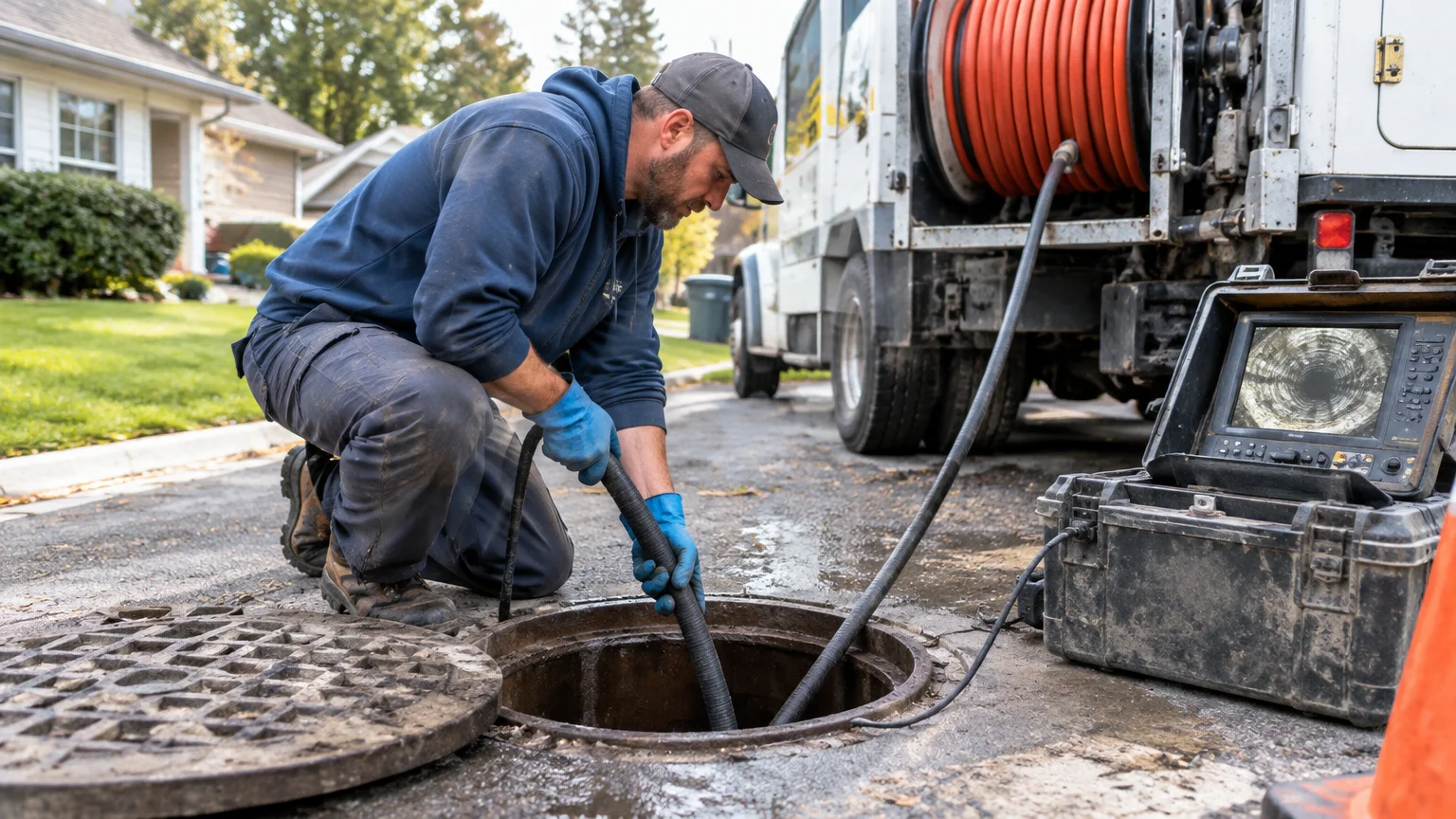
Main sewer line clog cost depends on the blockage, pipe condition, access, urgency, and repair method. A basic cleaning is usually less involved than pipe repair or replacement. A licensed plumber should inspect the line, explain the cause, and confirm the final cost in a written quote before work begins.
How Much Does a Main Sewer Line Clog Cost to Fix?
A main sewer line clog can require more work than a blocked sink or toilet. The final repair costs depend on the cause, the location, the tools needed, and the condition of the pipe. An inspection and written quote are the best ways to know what work the line needs.
What factors determine the overall repair cost?
Several factors can change the work needed. A clog near an easy-to-reach cleanout may be simpler to clear than one under a slab, driveway, or landscaped area. A cleanout is an access point that lets a plumber reach the sewer pipe. Roots, thick buildup, broken joints, and collapsed pipe sections can make the job harder.
Urgency also matters. Sewage can harm floors, walls, belongings, and indoor air. Keep children and pets away from dirty water. Stop using toilets, sinks, showers, washing machines, and dishwashers until a plumber gives clear advice.
The length of the blocked pipe and the property layout can affect the work. Local permit rules may also apply. Commercial buildings can have larger pipes and more fixtures on one system. Older homes may have old pipe materials or past repairs that need a closer check.
The final cost is confirmed on a quote after the plumber finds the cause and scope. Westlake Village Plumber can help property owners understand which option fits the line instead of guessing from symptoms. This helps homeowners in Westlake Village plan for the right repair rather than rely on general plumbing costs.
How does a main sewer line repair compare with a drain cleaning?
Routine drain cleaning often handles buildup or a clog in one fixture branch. Main sewer work involves the larger pipe that carries wastewater away from the property. Because of this, main line repair costs are often more involved than cleaning a shower, sink, or toilet drain.
A plumber may first clear the pipe with special equipment. If the clog comes back, a camera can show roots, cracks, shifted joints, or a collapsed section. Pipe repair or replacement may be needed when cleaning cannot restore safe flow.
This is different from many toilet repair cost questions. A single toilet problem may involve the fixture or its internal parts. Several slow drains point to a larger line problem and need a wider check.
What Causes a Main Sewer Line Clog?
Main sewer clogs often come from roots, damaged pipes, grease, wipes, heavy buildup, or objects that should not enter the system. Some clogs grow slowly. Others cause a sudden backup. Finding the cause matters because clearing the pipe may not stop the same problem from returning.
How do tree roots, damaged pipes, and buildup create blockages?
Tree roots can enter small cracks or loose joints in underground pipes. They grow around the opening and catch paper, grease, and waste. Roots are more common near mature trees, but they can affect many older sewer systems.
Pipe damage can also slow or stop flow. Shifting soil, ground movement, poor connections, corrosion, and age can cause cracks or separated joints. A collapsed pipe section may block wastewater completely. A camera inspection can show damage that cannot be seen from inside the home.
Buildup is another common cause. Grease can harden inside a line. Wipes and paper products can collect at weak spots. Even products marked flushable can cause trouble when used often or when the pipe already drains poorly. Toilets should receive human waste and toilet paper only.
Which property conditions make sewer clogs more likely?
Older underground pipes may face a higher risk of leaks, roots, and failed joints. Large trees near the sewer route can also increase the chance of root entry. Low spots in the yard, repeated backups, and past sewer repairs are useful details for the plumber.
Commercial kitchens may send more grease into waste lines. Multi-unit buildings may have many fixtures using one main pipe. Recent remodeling, new landscaping, or construction can also affect buried lines. Property owners should share these details during the inspection.
Good maintenance can lower the risk of avoidable clogs. It cannot fix a cracked, shifted, or collapsed pipe. A property with repeated trouble may need a camera check as part of its long-term maintenance plan.
What Signs Indicate a Clogged Main Sewer Line?
A main line blockage often affects several fixtures at once. Toilets may gurgle, floor drains may fill, or wastewater may return through a tub or shower. A single slow sink often points to a smaller branch clog, but repeated symptoms need professional help.
How can homeowners distinguish a main line blockage from a single-drain clog?
A single-drain clog usually stays near one fixture. A main sewer problem often makes more than one room drain slowly. Flushing a toilet may make a nearby shower bubble. Running a washing machine may send water into a floor drain.
Common warning signs include:
- Several drains slowing down at the same time
- Toilets bubbling or making a gurgling sound
- Sewage odors near drains or cleanouts
- Wastewater returning through a tub or floor drain
- Backups that return after temporary clearing
Do not keep testing the system by running more water. This can push wastewater into living areas. A homeowner may use a plunger on one small fixture clog, but repeated or widespread symptoms need a plumber to check the main line.
When do sewage backups require urgent plumbing attention?
A sewage backup needs urgent attention when wastewater enters a home, business, or shared building area. Dirty water can carry harmful germs and damage materials that soak up water. Avoid contact, keep children and pets away, and follow local health advice for cleanup.
A blocked line is also urgent when toilets will not flush, drains overflow, or the property has only one working bathroom. Westlake Village Plumber serves the main Westlake Village area, including North Ranch and Three Springs, along with Thousand Oaks, Agoura Hills, Oak Park, Lake Sherwood, and nearby communities. The company provides drain cleaning and emergency plumbing support for serious blockages.
A quick inspection can limit damage and show whether cleaning or repair is needed. In Westlake Village, acting early may also help protect floors, walls, and stored belongings from a growing backup.
How Can Homeowners Prepare for Main Sewer Line Repair?
Homeowners can prepare by stopping water use, clearing access to cleanouts, and writing down details about past backups. Do not pour harsh chemicals into a blocked main line. These products can harm people, pipes, and nearby fixtures. They also cannot repair a damaged sewer pipe.
What happens during inspection, cleaning, and repair?
The plumber first asks about symptoms and checks available cleanouts and fixtures. The next step may use professional cable equipment or water jetting. Water jetting uses a focused stream of water to remove some buildup from inside a pipe.
A camera can then show the inside of the line. The plumber may find roots, cracks, standing water, shifted joints, or a collapse. If the pipe is sound, cleaning may restore flow. If the pipe is damaged, the plumber explains repair or replacement choices and confirms the work in a quote.
Before the visit, move items away from cleanouts. Note when the symptoms began and which fixtures are affected. Tell the plumber about recent digging, tree removal, remodeling, or past sewer work. Tenants should notify the property owner or manager as soon as a backup starts.
How can property owners prevent future sewer line problems?
No maintenance plan prevents every sewer failure. Good habits can still reduce avoidable clogs. Keep grease, cooking oil, wipes, paper towels, and household chemicals out of toilets and drains. Use sink strainers and clean them often.
Property owners can ask about regular camera checks when a line has a history of roots or backups. Watch for slow drainage and strange sounds instead of waiting for a full overflow. Landscaping work should account for the sewer route, especially near mature trees.
Key takeaways
- A main line clog affects the shared sewer pipe, not just one fixture.
- Roots, pipe damage, grease, and unsuitable items are common causes.
- Several slow drains or sewage odors may signal a main line problem.
- Stop water use during a sewage backup and keep people away.
- The final cost is confirmed after inspection and a written quote.
Frequently Asked Questions
Is a main sewer line clog an emergency?
It can be, especially when sewage enters the property or several fixtures stop draining. Avoid contact with wastewater and stop using plumbing fixtures until the line is checked. A plumber can decide if the problem needs urgent cleaning, repair, or added cleanup.
Can a homeowner clear a main sewer line?
A homeowner can remove visible debris from a drain cover and use a plunger on one fixture. Main lines are different. They may need special equipment and a camera inspection. Do-it-yourself digging, harsh chemicals, and repeated flushing can worsen damage and cleanup needs.
How does a plumber find a sewer line blockage?
The plumber reviews the symptoms, checks cleanouts, and tests drainage. Professional cable tools may clear the blockage. A sewer camera can then show roots, breaks, buildup, or a collapsed section. This helps separate a temporary clog from a pipe problem that needs repair.
Will cleaning prevent another sewer backup?
Cleaning may solve the problem when buildup caused the blockage. It will not correct a cracked pipe, root entry, poor slope, or collapsed section. If backups return, request a deeper inspection. The repair plan should address the cause, not only the symptom.
Conclusion
A main sewer line clog can disrupt a home or business quickly. Stop water use, protect people from wastewater, and arrange a proper inspection. The plumber can then explain the cause, compare cleaning and repair choices, and confirm the final cost in a written quote.
Westlake Village Plumber helps property owners make informed choices about blocked drains, sewer problems, and related plumbing repairs. Contact us to arrange professional help for a suspected main sewer line blockage.