Drain snaking vs hydro jetting depends on the clog, the pipe’s condition, and the cleaning goal. A snake can break apart or pull out many blockages. Hydro jetting uses pressurized water to wash buildup from pipe walls. Snaking often suits one clog, while jetting may help with heavy buildup after a plumber checks the pipe.
A slow drain can cause a string of small problems in a busy day. A kitchen sink may fill while dishes wait, or a bathroom drain may gurgle when a toilet flushes. Choosing a cleaning method is not only about making water move again. It also means finding why the clog formed and whether the pipe can handle the work.
This guide explains how both methods work and what can affect the final quote. It also covers questions to ask before work starts, safe steps you can take, and signs of a main sewer problem. Westlake Village Plumber helps property owners understand options for a blocked drain and what to ask a licensed plumber.
Table of Contents
- What Is the Difference Between Drain Snaking and Hydro Jetting?
- How Much Does Drain Snaking vs Hydro Jetting Cost?
- When Is Drain Snaking the Better Choice?
- When Is Hydro Jetting Worth the Cost?
- Which Method Is Safer for Older or Damaged Pipes?
- How Do Plumbers Decide Which Drain Cleaning Method to Use?
- How Long Do Drain Snaking and Hydro Jetting Results Last?
- Can You Use Chemical Drain Cleaners Before Calling a Plumber?
- What Are the Warning Signs of a Main Sewer Line Blockage?
- How Can You Choose Between Snaking and Hydro Jetting?
- Frequently Asked Questions
- Key Takeaways
- Conclusion
What Is the Difference Between Drain Snaking and Hydro Jetting?
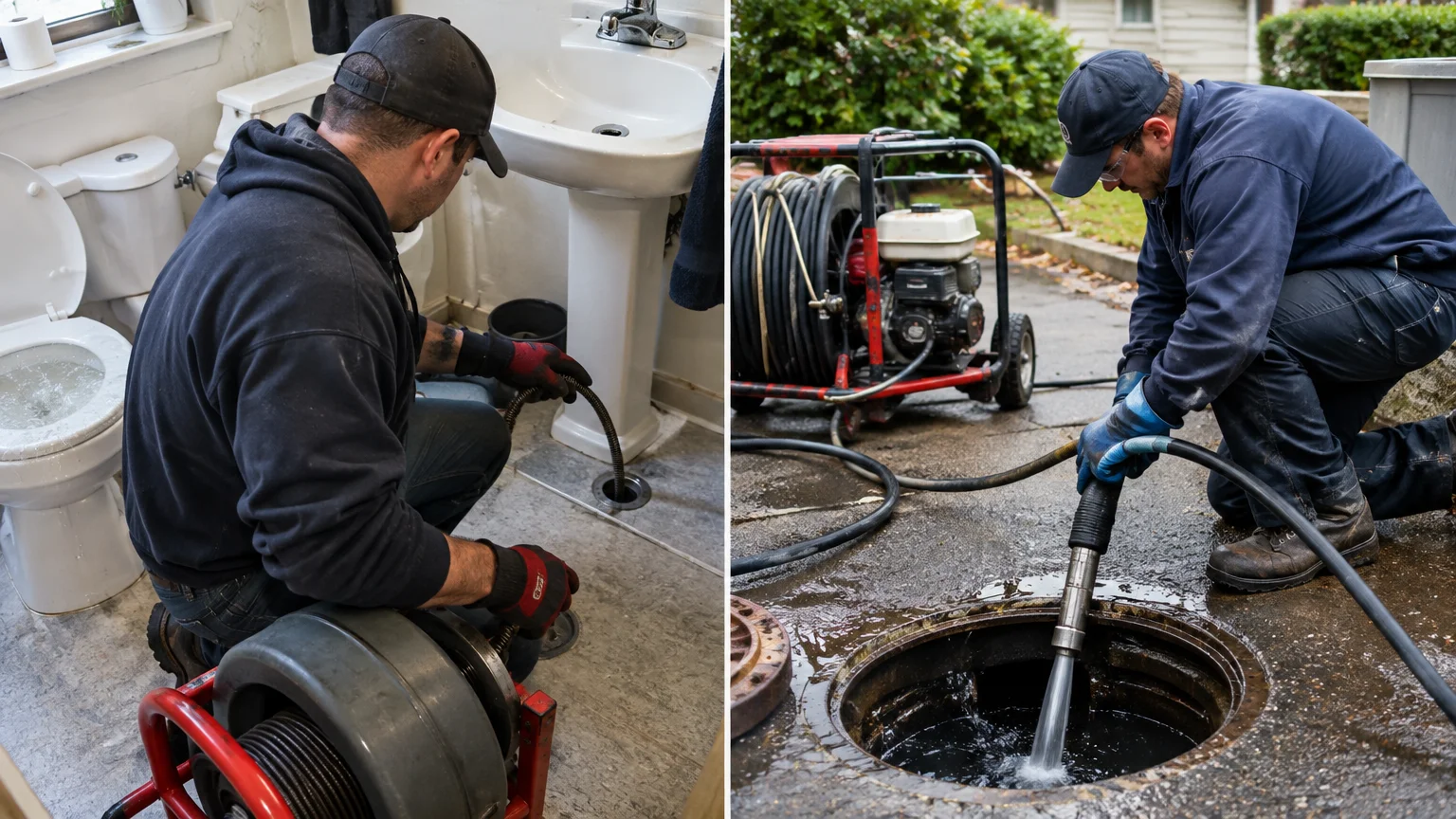
Drain snaking and hydro jetting use different tools to clear drains. A snake is a long, flexible cable that reaches a clog. Hydro jetting sends pressurized water through a hose and nozzle. The right method depends on what is blocking the drain and the pipe’s condition.
How a drain snake breaks through a blockage
A drain snake, also called a drain auger, is a flexible cable with a head that can cut or grab debris. A plumber feeds the cable into the pipe and guides it toward the clog. The head may break up the blockage or catch material so it can be pulled out. A homeowner may use a small hand snake for a simple sink clog, but larger tools take skill to use safely.
Snaking often works for hair, paper, or another solid mass blocking one part of a pipe. It can open a path for water without cleaning the whole pipe wall. A drain may flow again while residue remains inside. If the clog comes back soon, the first clearing may not have removed its cause.
How high-pressure water cleans a drain
Hydro jetting uses a hose and nozzle to send water through a drain. The water can move loose grease, sludge, and other buildup along the pipe. Unlike a snake, the water can wash more of the pipe’s inner surface. A plumber must choose the right equipment and pressure for the pipe and clog.
Jetting does not fix every drain problem. It cannot repair a cracked, crushed, or badly shifted pipe. A plumber should check for damage before choosing this method, especially if a line is old or has had repeated trouble. In Westlake Village, the best option still depends on what an inspection finds.
How Much Does Drain Snaking vs Hydro Jetting Cost?
The final cost of snaking or hydro jetting depends on the clog, the pipe, and the work needed to reach the problem. A simple clog near a fixture is usually less involved than a deep blockage in a main sewer line. Jetting may need extra checks and equipment. A plumber confirms the final cost on a quote after assessing the job.
What affects the cost of either method
The kind of blockage matters. A small hair clog near a bathroom drain may take less work to reach than grease and debris deep in a long line. Access matters too. A plumber may need to reach a cleanout, remove a fixture trap, or use inspection tools to find the clog. Pipe condition can also affect the work needed.
Urgency and the time needed to find the problem may affect the quote. So may a camera inspection, a second cleaning method, or pipe repair. These steps are not automatic; they depend on what the plumber finds. Ask what the quote includes and whether the work may change if an inspection finds pipe damage.
Why the type and location of the blockage matter
A clog in one fixture is often easier to reach than a blockage in a shared branch line or main sewer. A main line may serve several sinks, toilets, or other fixtures, so a plumber needs to find the trouble before choosing a tool. A clog that keeps returning may also need more diagnosis than a one-time blockage.
Snaking and jetting are not always direct substitutes. A snake may be a useful way to open a simple clog, while jetting may help when buildup coats the line. Do not choose a service only by its name. The cause, pipe access, and pipe condition all shape the work. Ask the plumber to explain the plan and confirm the final cost on a quote before cleaning or repairs begin.
When Is Drain Snaking the Better Choice?
Drain snaking is often a good first choice for a clear, local clog that a snake can reach. It can open a blocked fixture drain without washing the full pipe. A plumber may suggest it when the blockage seems to be one mass and the pipe appears able to handle the tool.
Clogs a snake can usually clear
Hair near a shower drain, food scraps in a sink line, or a small paper blockage may respond to snaking. The tool can reach the clog and break it up or pull it back. A homeowner can remove a visible stopper or clean a removable drain screen if the fixture instructions allow it. That simple care may be enough when debris has not moved far into the pipe.
You do not need a professional for every slow drain. You can clear hair from a drain cover, clean a sink strainer, and use a plunger on a simple fixture clog. Stop if water backs up in other fixtures, a tool meets strong resistance, or the clog returns. Pushing a long or powered snake without training can damage pipes or cause injury.
Signs snaking may provide only temporary relief
A drain that slows again soon after snaking may still have buildup on the pipe wall. Clogs in several fixtures can point to a deeper issue. Gurgling sounds, bad smells, or water appearing in a lower drain may also mean the problem is beyond one sink or tub.
In these cases, clearing one spot may restore flow only for a short time. A plumber may suggest a camera check to look for roots, grease, scale, or pipe damage. Tell the plumber which fixtures are affected and when the problem began. This can help show whether the clog is local or part of a wider drain or sewer problem.
When Is Hydro Jetting Worth the Cost?
Hydro jetting may be worth considering when a plumber finds thick buildup or clogs that keep returning after snaking. It can wash material from the inner pipe surface instead of only opening a narrow path. The plumber should first make sure the pipe is in good enough condition for water pressure.
How jetting removes grease, scale, and buildup
Grease can stick to a kitchen drain and catch food scraps. Soap residue and other material can build up over time too. A jetting nozzle sends water along the pipe to loosen and move these deposits. Results depend on the buildup, the pipe layout, and the equipment. Jetting does not stop future clogs from forming.
Scale is a hard deposit that can form inside some pipes. A plumber needs to check what is in the line before choosing a cleaning tool. If a pipe is cracked or weak, pressure may cause more trouble instead of solving it. Ask the plumber to explain why jetting suits the pipe and what the inspection shows.
Situations where a more thorough cleaning can help
A kitchen drain that clogs again and again may have grease coating the pipe, rather than one loose object. A long drain with several slow fixtures may also need a wider cleaning approach. In these cases, a plumber may consider hydro jetting after checking the line. It also helps to stop sending grease, wipes, or food waste down the drain.
Hydro jetting will not repair a broken pipe, remove every firmly stuck object, or fix a poor pipe slope. A plumber may first use a camera or snake to learn more. Roots or damaged joints may mean repair is needed. Good drain cleaning starts with finding the cause, not assuming one tool will solve every problem.
Which Method Is Safer for Older or Damaged Pipes?
Neither method is safe for every old or damaged pipe. A snake can scratch or catch a weak pipe, while water pressure can make a crack or loose joint worse. The plumber should check the line and match the method to its material, shape, and condition.
What a plumber should check before cleaning
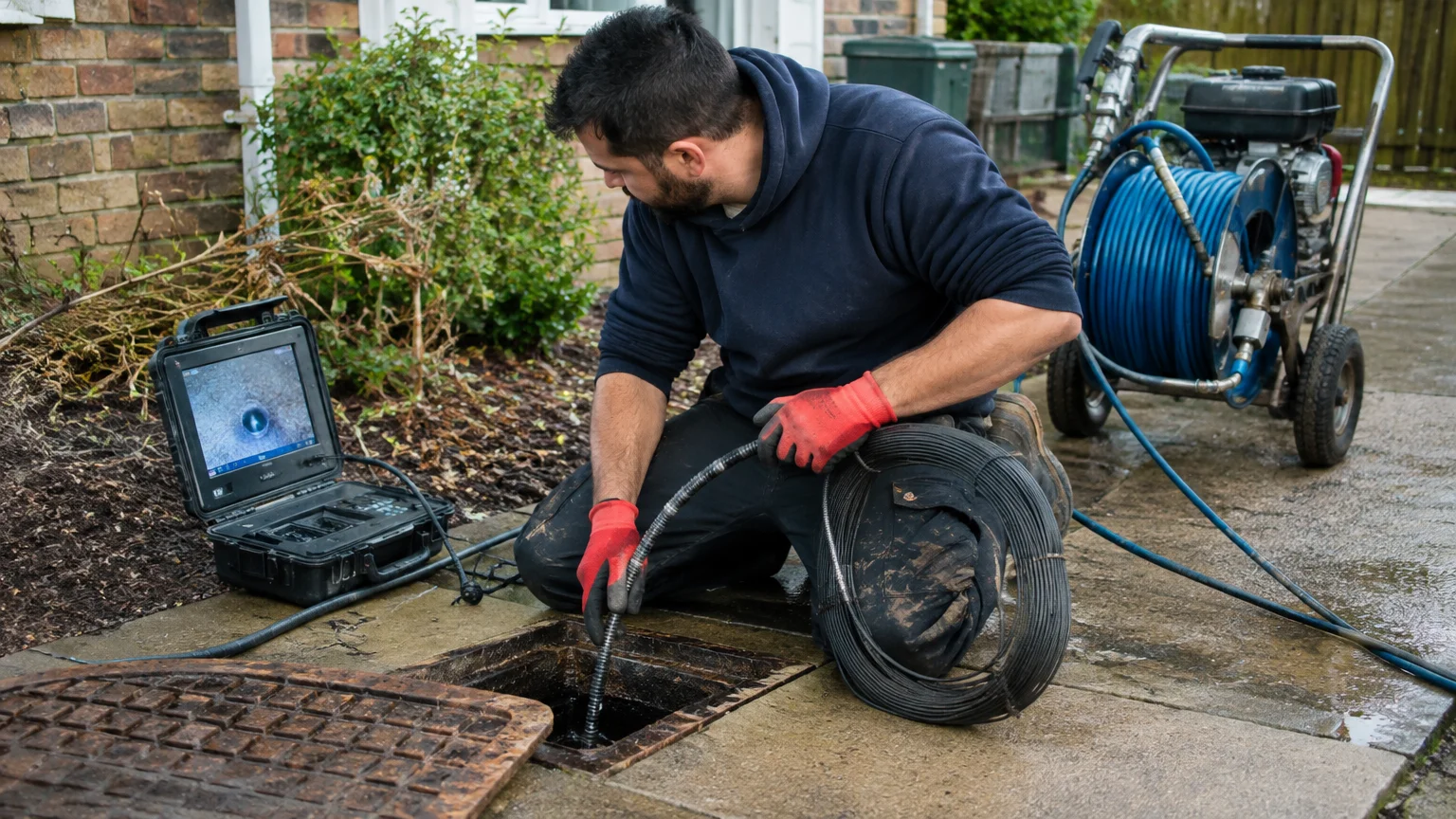
A plumber may ask about past clogs, repairs, and backups. They may check an open cleanout or use a camera to look inside the line. A camera inspection uses a small camera on a flexible cable to show the pipe’s inside. It can help find breaks, roots, heavy buildup, or the clog’s location.
Pipe material matters, but age alone does not tell the full story. The pipe’s condition, joints, bends, and access matter too. Ask the plumber to explain what the check shows and why the chosen method fits. Tell them about past leaks, yard changes, or repeated sewer trouble before work starts.
When pipe repairs may be needed instead
Cleaning may not help if a pipe has collapsed, separated, or developed a serious crack. A damaged line can keep catching debris even after the clog is cleared. In that case, the plumber may suggest repair or replacement instead of repeated cleaning. The right plan depends on where the damage is and how much of the pipe is affected.
Do not keep running water into a drain that is backing up into the home. Stop using fixtures that make the backup worse and keep people away from dirty water. If wastewater comes indoors, contact a plumber promptly. Westlake Village Plumber can explain which inspection and drain cleaning options may fit the problem.
How Do Plumbers Decide Which Drain Cleaning Method to Use?
Plumbers choose a method by finding the clog, learning what caused it, and checking whether the pipe can handle cleaning. They may start with questions and a basic fixture check. If the problem is deep, keeps returning, or is unclear, they may use a camera or other tools before suggesting work.
The role of a drain inspection
A drain inspection can show where a clog sits and what may be inside the pipe. A camera may reveal roots, buildup, damage, or a shifted pipe joint. It can help a plumber treat the cause instead of only the symptom. Not every small sink clog needs a camera, but repeated or widespread trouble may need a closer look.
The plumber should explain the findings in plain words. Ask if the blockage looks like one object, soft buildup, roots, or a pipe problem. Ask what the suggested method can do and what it cannot fix. Clear answers help you compare snaking, jetting, and repair without guessing.
How pipe material, condition, and clog location guide the choice
A short fixture branch with one clear clog may suit snaking. A line with grease or debris along more of its length may lead a plumber to consider jetting, if the pipe is sound. A damaged pipe may need repair instead. A clog near a sink is different from a problem in the main sewer line.
The drain’s history can help guide the choice. If several fixtures back up at once, the main line may be involved. If only one sink drains slowly, the problem may be near that fixture. A good diagnosis helps avoid using stronger equipment just because it is available. It also helps the plumber explain why a cleaning method suits the property.
How Long Do Drain Snaking and Hydro Jetting Results Last?
Results last until new material builds up or another problem blocks the line. There is no set length of time that fits every home or business. A pipe may stay clear longer when the cause is removed and drains are used with care. Symptoms that return deserve a closer look.
Why recurring clogs can return
A snake may clear the center of a clog but leave residue on the pipe wall. Jetting may wash away buildup, but it cannot fix a broken joint, poor slope, or damaged pipe section. Tree roots can also enter through weak spots. If the cause remains, a drain may clog again after cleaning.
Notice how the problem comes back. One slow drain points to a different issue than several fixtures that gurgle or back up together. Write down which drains are affected and when symptoms happen. Share that pattern with the plumber. It may help show whether the issue is local, recurring, or linked to the main sewer.
How maintenance habits affect drain performance
Use drain screens to catch hair and food scraps. Wipe grease from pans into the trash instead of pouring it into the sink. Put only toilet paper and human waste in the toilet. These steps cannot replace repairs, but they can reduce common causes of clogs.
Do not use harsh products as routine drain care. Baking soda and vinegar may fizz, but that does not prove a deep clog is gone. Enzyme drain cleaners use agents that break down some organic material over time; they are not quick fixes for every blockage. Follow product directions and never mix drain products. If several drains slow down, call a plumber instead of trying more cleaners.
Can You Use Chemical Drain Cleaners Before Calling a Plumber?
Chemical drain cleaners can hurt people or surfaces if they splash. Some products can also harm certain pipes. They may leave dangerous chemicals in backed-up water. Avoid using them when a drain is fully blocked, another product is already in the pipe, or a plumber may need to open the line.
Potential risks to pipes and people
Read and follow the product label if you use a drain cleaner. Keep it away from children and pets, and do not mix it with bleach, vinegar, or another cleaner. Mixing products can cause a dangerous reaction. If you have already poured a product into the drain, tell the plumber what it was and when you used it. This can help them choose safe next steps.
Baking soda and vinegar are common home remedies, but they may not clear a hard clog. Enzyme cleaners may work slowly on some organic material, but they cannot fix roots, broken pipes, or an object stuck in the line. Do not rely on a home remedy when wastewater backs up or several fixtures are affected.
Safer steps to take while waiting for professional help
Stop using the affected fixture if water is rising or flowing back into the room. Keep children and pets away from standing wastewater. If it is safe, remove visible debris from a drain cover or clean a sink strainer. Do not reach into a drain, use a power tool, or pour several products into the pipe.
You can also check if the problem affects one fixture or several. If many fixtures are slow, or a toilet and tub back up together, the clog may be farther down the line. Write down the symptoms and any product you used. These details can help the plumber understand the problem and choose a safe response.
What Are the Warning Signs of a Main Sewer Line Blockage?
A main sewer line blockage may affect more than one fixture. Watch for several drains slowing at once, toilets bubbling when sinks drain, or wastewater appearing in a tub or floor drain. These signs need prompt attention because continued use can send more wastewater into the property.
Common symptoms throughout a property
A single slow sink often points to a local clog. A main line problem is more likely when several drains act up around the same time. A toilet may gurgle as a nearby sink empties, or water may rise in a lower shower when another fixture runs. Bad sewer smells can also be a sign that needs checking.
A backup is not the same as low water pressure. Low pressure affects water coming into fixtures, while a blocked drain slows water leaving them. If a home has both problems, they may have separate causes. Describe each sign clearly instead of assuming one repair will solve both.
When a sewer problem needs prompt attention
Stop using water if wastewater comes up through a drain. Do not flush toilets, run laundry, or use sinks until the problem is checked. Keep people away from dirty water and avoid touching it. A sewer backup can expose people to germs and harm floors, walls, and belongings.
Contact a plumber promptly if several fixtures back up, wastewater enters the home, or the problem returns after cleaning. A plumber can check whether the main line is blocked, damaged, or affected by roots. For urgent trouble, emergency plumbing may help limit more damage. Do not try to push a suspected sewer clog farther into the pipe with a household tool.
How Can You Choose Between Snaking and Hydro Jetting?
Choose based on the cause of the clog, the pipe’s condition, and the cleaning goal. Snaking can suit a simple blockage. Hydro jetting may help with widespread buildup in a sound pipe. A plumber’s inspection can show whether cleaning is enough or if drain repair is needed.
Questions to ask before approving drain cleaning
A clear talk with the plumber helps you understand the plan. Ask what they found, why the suggested method fits, and whether the pipe shows signs of damage. Ask what the method can and cannot solve. If the problem returns, ask what the next step may be. These questions matter for a home, rental, or business.
Before work starts, confirm the work and final cost on a quote. Ask whether inspection, cleaning, and any suggested repair are separate parts of the plan. Do not approve work you do not understand. A clear explanation should connect the symptoms, inspection results, and chosen method without promising that every clog will stay gone.
Key takeaways for comparing the two methods
- Snaking can clear many local clogs by breaking them up or pulling them out.
- Hydro jetting uses pressurized water to clean buildup from more of a pipe’s inner surface.
- A plumber should check pipe condition before using either method on an old or damaged line.
- Repeated clogs, several slow fixtures, or sewage backups may point to a deeper problem.
- Safe habits, such as using drain screens and keeping grease out of sinks, help prevent common clogs.
You can handle simple care, such as cleaning a strainer or removing hair from a drain cover. Professional help is right for repeated clogs, deep blockages, sewer signs, or possible pipe damage. The goal is not to choose the strongest tool. It is to match the method to the problem.
Frequently Asked Questions
Is snaking or hydro jetting better for a clogged kitchen drain?
It depends on the cause. A snake can clear one food or debris blockage. Hydro jetting may help if grease coats a longer section of sound pipe. A plumber should check repeated clogs and make sure the pipe can handle water pressure before suggesting jetting. Do not pour cooking grease into a drain.
Can a drain snake damage pipes?
Yes, a snake can harm a weak or damaged pipe if it is used the wrong way. Small hand tools may help with simple clogs, but powered tools need proper training. Stop if the tool catches or meets strong resistance. For repeated or deep blockages, have a plumber check the line before using more force.
Does hydro jetting remove tree roots?
Hydro jetting may cut or move some roots inside a pipe, but it does not fix the opening where roots entered. Roots can return if the pipe has a gap or crack. A plumber should check the line and explain whether cleaning is enough or a repair is needed to fix the cause.
Is baking soda and vinegar safe for a blocked drain?
Baking soda and vinegar may fizz, but that does not mean they will clear a deep clog. Never mix them with chemical drain cleaners or other products. For a small surface clog, remove visible debris from a drain screen. For a full blockage or backup, stop using the fixture and seek help.
How can someone tell if a clog is in the main sewer line?
Several slow fixtures, toilets that gurgle when other drains run, or wastewater coming up through a lower drain may point to a main sewer problem. One slow sink is more likely to have a local clog. Stop using water if sewage backs up, and arrange prompt plumbing help.
Key Takeaways
- Snaking and hydro jetting clear drains in different ways; the clog and pipe condition guide the choice.
- Snaking often suits a local blockage, while jetting may help with buildup along a sound pipe.
- An inspection matters before jetting, especially when a line is old, damaged, or blocked again and again.
- Homeowners can clean screens and remove visible debris, but should not force tools into pipes.
- Several affected fixtures or a sewer backup call for prompt professional help.
Conclusion
Drain snaking vs hydro jetting is not a contest with one winner for every property. A snake can open many simple clogs. Hydro jetting may clean a wider area when buildup is the cause and the pipe is sound. A careful check helps show when repair, rather than cleaning, is the right answer.
For property owners in Westlake Village, noting which fixtures are affected and when symptoms began can help a plumber find the cause. Westlake Village Plumber can explain drain cleaning options and what to ask before work starts. Contact us to discuss a blocked drain and the next step.