Tank Work
Tanks for Expansion, Pressure and Storage
A few quiet tanks keep water systems steady: thermal expansion tanks beside water heaters, pressure tanks on private wells, and storage tanks for backup supply or rainwater. Westlake Village Plumber covers installation and repair of all three. Trouble shows as pressure that swings, a well pump that clicks on and off, a relief valve that drips or damp fittings, all of which worsen with time.
The tank has to be matched to the system, its air pre-charge set properly and the right valves fitted, so pipes, fixtures and equipment stay protected. Whether it is a failed expansion tank, a waterlogged well tank or a storage tank to plumb in, the work spans Westlake Village, CA, where Las Virgenes Municipal Water District buys all of its drinking water from the Metropolitan Water District of Southern California.
The Work Covered
Tank Services Covered
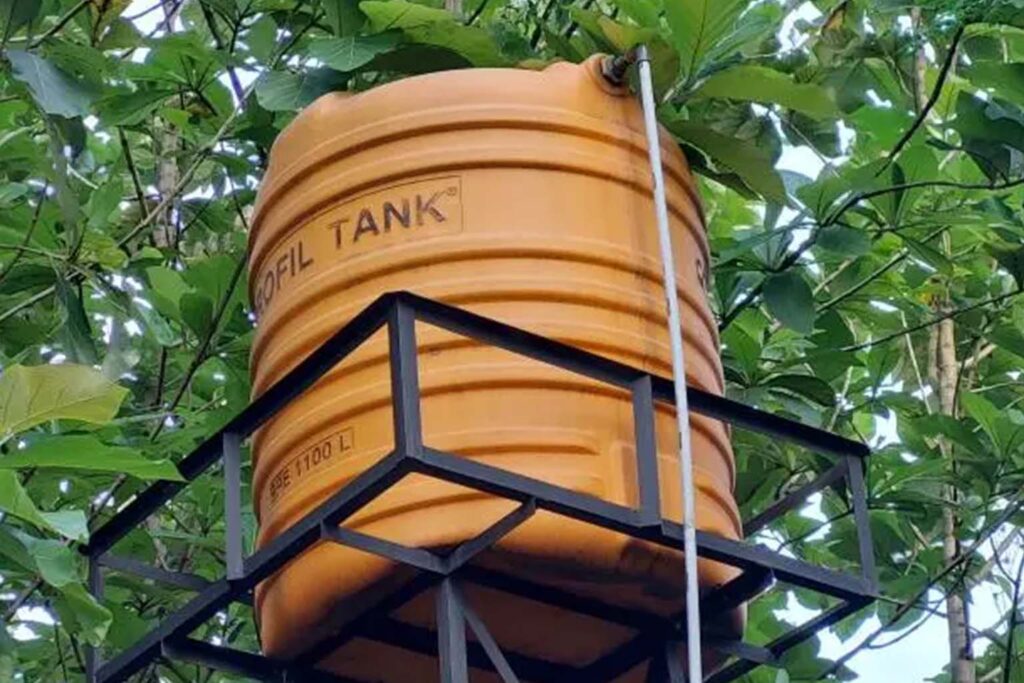
Fitting a Brand-New Tank
Expansion, well pressure and storage tanks, each sized to suit the water heater, pump or household demand it serves.
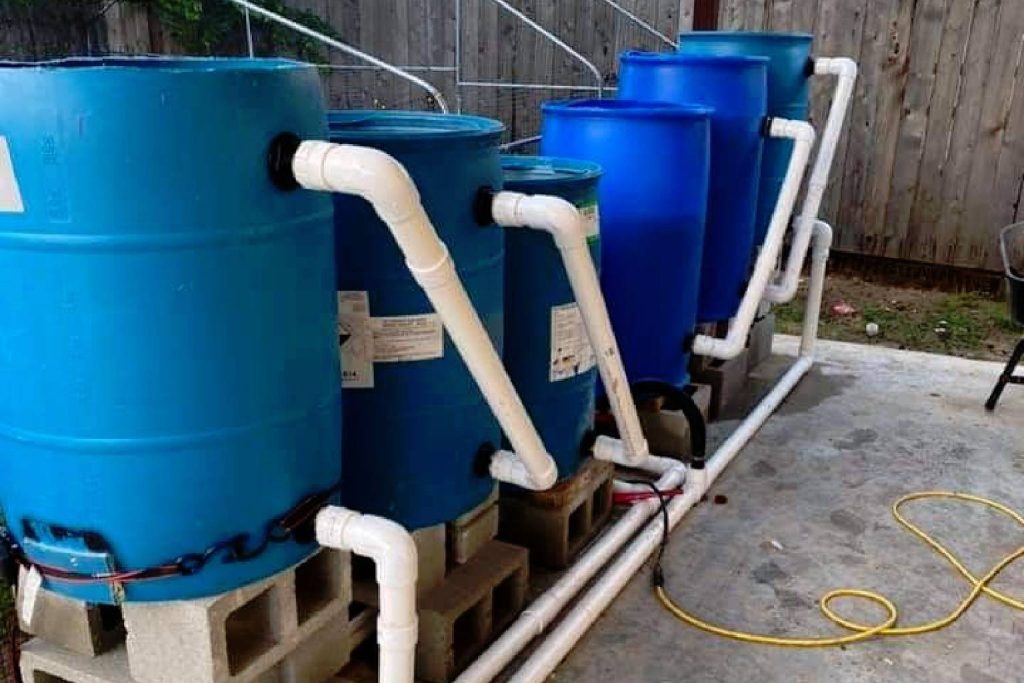
Swapping Out a Tank
A tank that has rusted through, sprung a leak, gone waterlogged or proved too small gets swapped for one that suits the system.
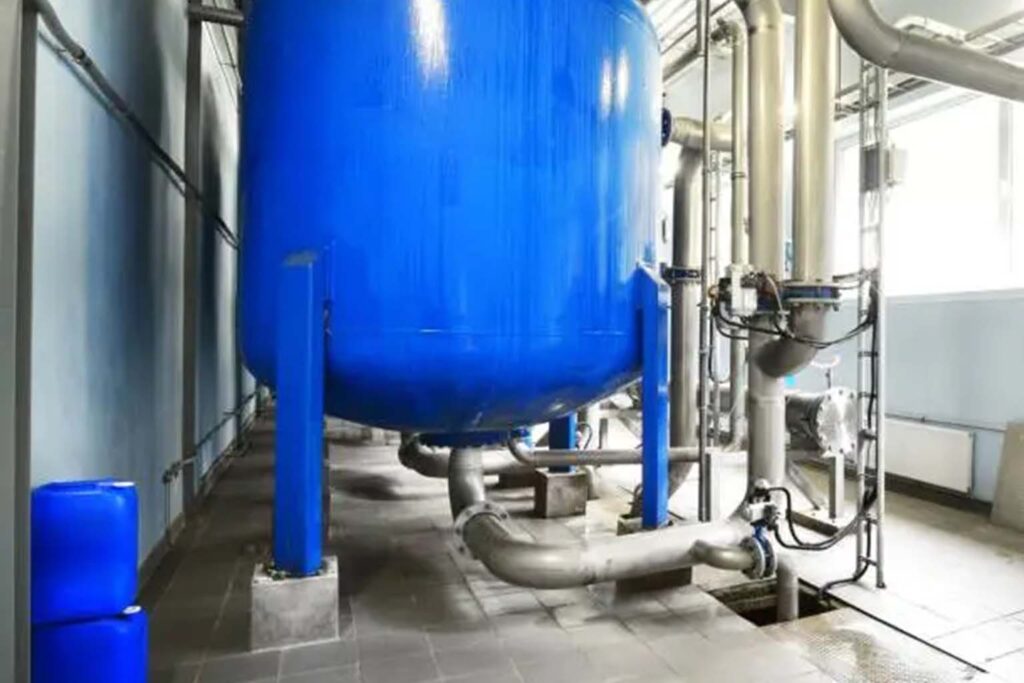
Expansion Tank Care
Verifying and resetting the air pre-charge, changing out a failed unit, and curing a relief valve that drips whenever the heater cycles.
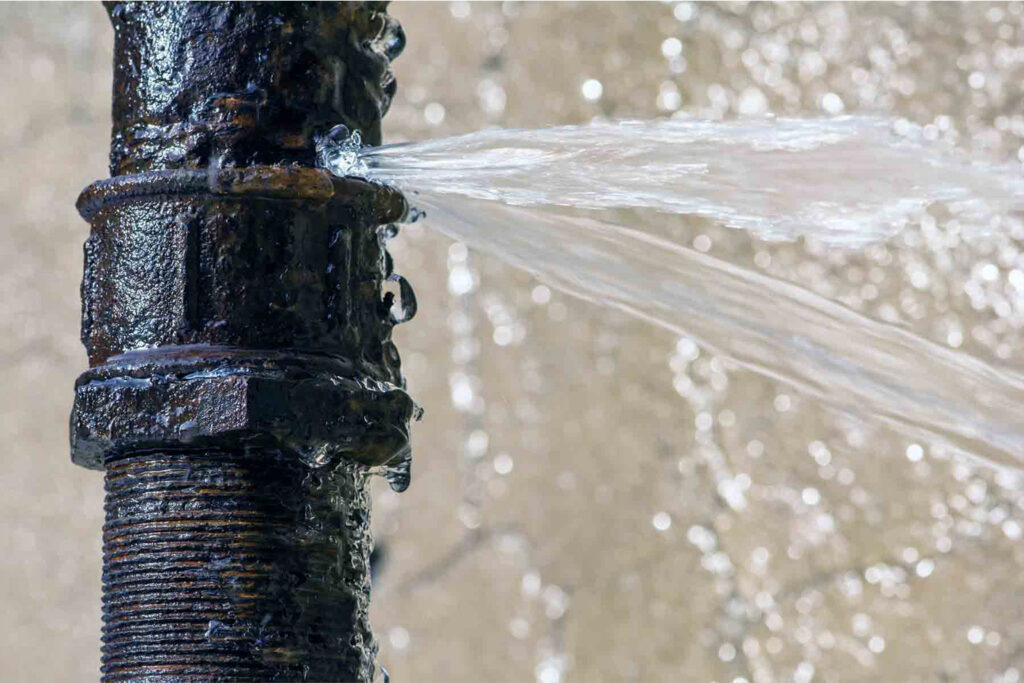
Fixing Leaks
Leaks at the tank shell, inlet and outlet connections, fittings and valves are tackled before floors and walls take damage.
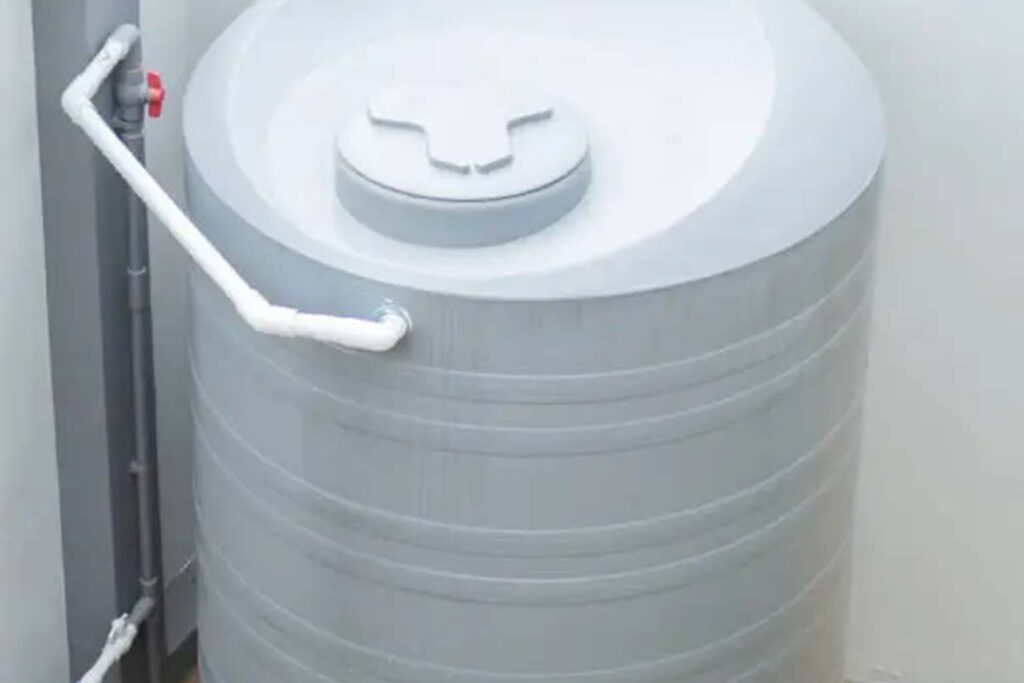
Well Tank Troubleshooting
Waterlogged tanks, wrongly set pressure switches and pumps that short-cycle and age well equipment prematurely get sorted out.
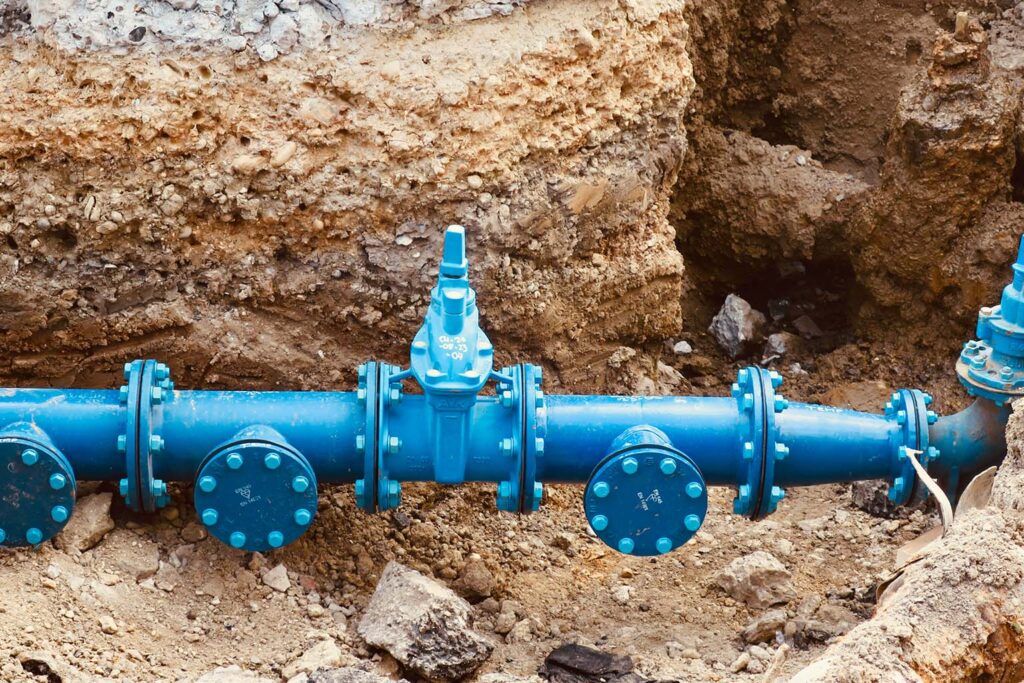
Pipe and Valve Updates
Corroded or worn pipework, shut-off valves, gauges and supports around a tank can be swapped out.
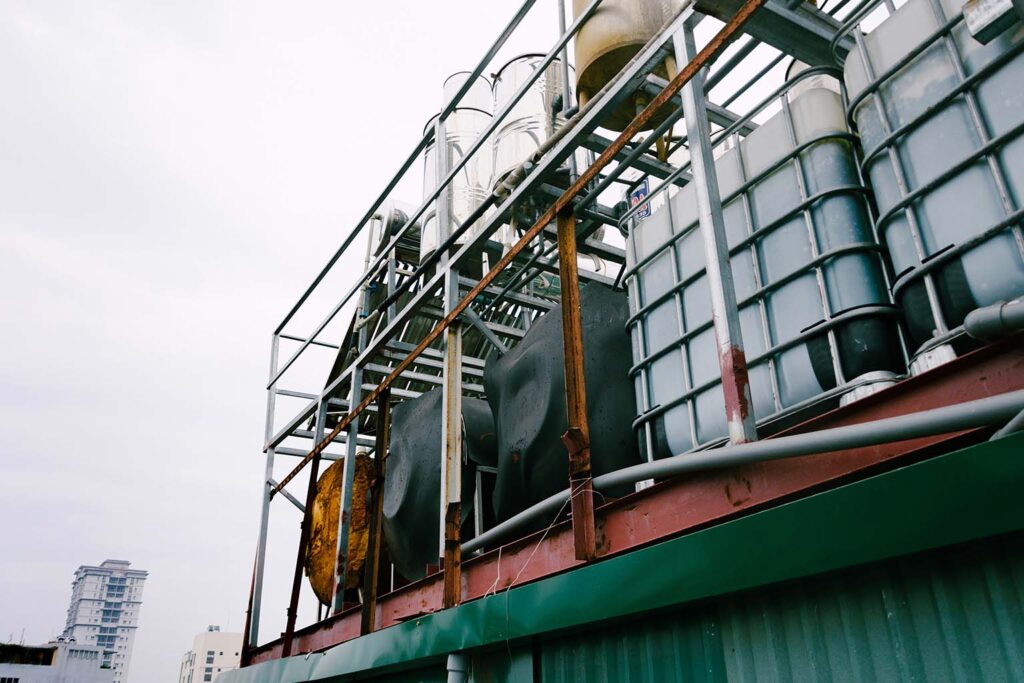
Hooking Up Storage Tanks
Tied-in rainwater tanks need backflow protection; Las Virgenes Municipal Water District runs the local program.
Hiring Tips
Why Pick Westlake Village Plumber for Water Tank Work?

Installed to Spec
Ask how the installer follows manufacturer sizing and mounting rules, and verify their license with the Contractors State License Board.

Close to Home
The service area centers on Westlake Village, CA and its neighbors, so a follow-up visit stays convenient.

Root-Cause Repairs
For a dead expansion tank or a complete well tank swap, the aim is curing the cause and not merely the symptom.

Plain Guidance
Tank size and type are chosen around your heater, well or storage needs, reasons explained.

Tidy Job Sites
Ask that floors be covered, the work area kept orderly and the space left as it was found.
Every home's water is different, so a good installer sizes the system to your household instead of guessing.
Trouble
Tank Troubles We Deal With
- Tank or fitting leaks
- Relief valve that drips or spits
- Pressure that swings up and down
- Well pump that cycles far too often
- Corroded, rusting tank shells
- Pressure tanks full of water
- Hammering in the pipes
- Expansion tanks too small or dead
- Tanks unable to keep pressure
When a tank is behind trouble in your home, the first job is finding the cause, then correcting it.
Places covered
Where Water Tank Services Reach Around Westlake Village, CA
Tank work is available across:
Questions Homeowners Ask
Tank Q&A
What is an expansion tank for?
A water heater makes its contents expand as it heats. In a closed system that added volume has no place to go, which pushes pressure up on pipes, valves and the heater. The tank’s cushion of air soaks up the surplus, holding pressure level and keeping the relief valve from dripping.
How do I know an expansion tank has failed?
Knock on it. Near the top a healthy tank sounds hollow, while a waterlogged one is dull and solid from top to bottom. Also look for a dripping heater relief valve, pressure that spikes when the heater fires, or water leaking from the tank’s air valve.
Which symptoms point to a failing well tank?
Short cycling is the classic clue, with the pump starting and stopping every few seconds while a tap runs. Others include pulsing pressure at faucets, a gauge needle swinging quickly, and rust or dampness on the tank body.
What makes a heater relief valve drip?
Often the cause is pressure rising each time the heater fires, which a failed or absent expansion tank allows, though a worn valve can drip as well. Get it looked at either way, because this valve is a safety device that should never be ignored.
How many years do pressure tanks run?
Longevity depends on water quality, pressure settings and how frequently the pump cycles. Checking the pre-charge during routine upkeep and correcting short cycling early do the most to extend a tank’s working life.
Is swapping a tank a DIY job?
Possibly, but it involves draining the system, setting the air pre-charge to match your line pressure and making leak-free connections. A slip can flood a utility room or harm the pump or heater, so most homeowners hire it out. Check whether the job needs a permit first.
How do I choose expansion tank size?
The answer turns on the water heater's capacity and the home's water pressure. A plumber measures both and picks a matching tank. Too small and pressure still climbs; too large and you have paid for capacity you don't need.
Does my water heater call for an expansion tank?
In a closed system, such as one with a check valve or pressure-reducing valve on the main, usually yes, and codes often require one with a new water heater. Permits in Westlake Village come from the Los Angeles County Public Works Building and Safety Division.
What makes a well pump cycle so often?
Fast cycling usually signals that the tank has lost its air charge or the bladder has failed, so it cannot hold water under pressure. A bad pressure switch can do it as well. If ignored, short cycling wears the pump out.
Which tank type suits a typical house?
That depends on the application. Expansion tanks guard water heaters in closed systems, bladder pressure tanks fit private wells, and polyethylene tanks are the usual pick for above-ground storage. The right type becomes clear once you know how the tank will be used.
What drives the price of replacing a tank?
Tank type and size, how easy it is to reach, and whether piping or valves are replaced in the same visit all move the price. Ask whether the quote is written and covers parts before work begins.
Must a storage tank rest on concrete?
Not necessarily, but the base must be firm and level. Large tanks and soft ground call for a concrete pad, while compacted gravel or a rated platform serves many smaller tanks. A sloping base strains the shell and may crack it.